
Is Cannabis a Safe and Effective Mental Health Treatment Option for Teenagers and Young Adults?
Key Takeaways
- Cannabis has been shown to cause immediate feelings of anxiety, paranoia, and experiences of psychosis while under the influence in some cases.
- In some cases, Cannabis has been shown to help provide relief from mental health related symptoms such as anxiety, temporarily, while under the influence.
- Cannabis is not effective at healing mental illness or healing underlying causes of mental health related challenges.
- Regular Cannabis use (1x or more per week) has been shown to increase the development of or worsen mental health conditions such as anxiety, bipolar disorder, depression, and schizophrenia, especially in those who started using Cannabis before the age of 25.
- Tolerance to Cannabis increases with use, and often leads people to use stronger or greater quantity doses over time to experience consistent effects. This can lead to developing Cannabis Use Disorder, which is defined as the inability to stop Cannabis use despite recognizing negative effects.
- People who start using Cannabis before the age of 25 are more likely to develop Cannabis Use Disorder.
Many people, including teenagers and young adults, report using Cannabis, also known as “weed”, to relieve stress and better manage their mental health; but is using Cannabis actually a safe and effective way of treating mental health conditions?
“Is using Cannabis a safe treatment option?”
The effects people may immediately experience after using Cannabis can differ greatly. While in some cases, people report feeling relief from stress and relief from symptoms like anxiety after using Cannabis, Cannabis has also been shown to create opposite effects like anxiety and paranoia, and in some cases has led to hospitalization after use due to experiences of psychosis and anxiety attacks.
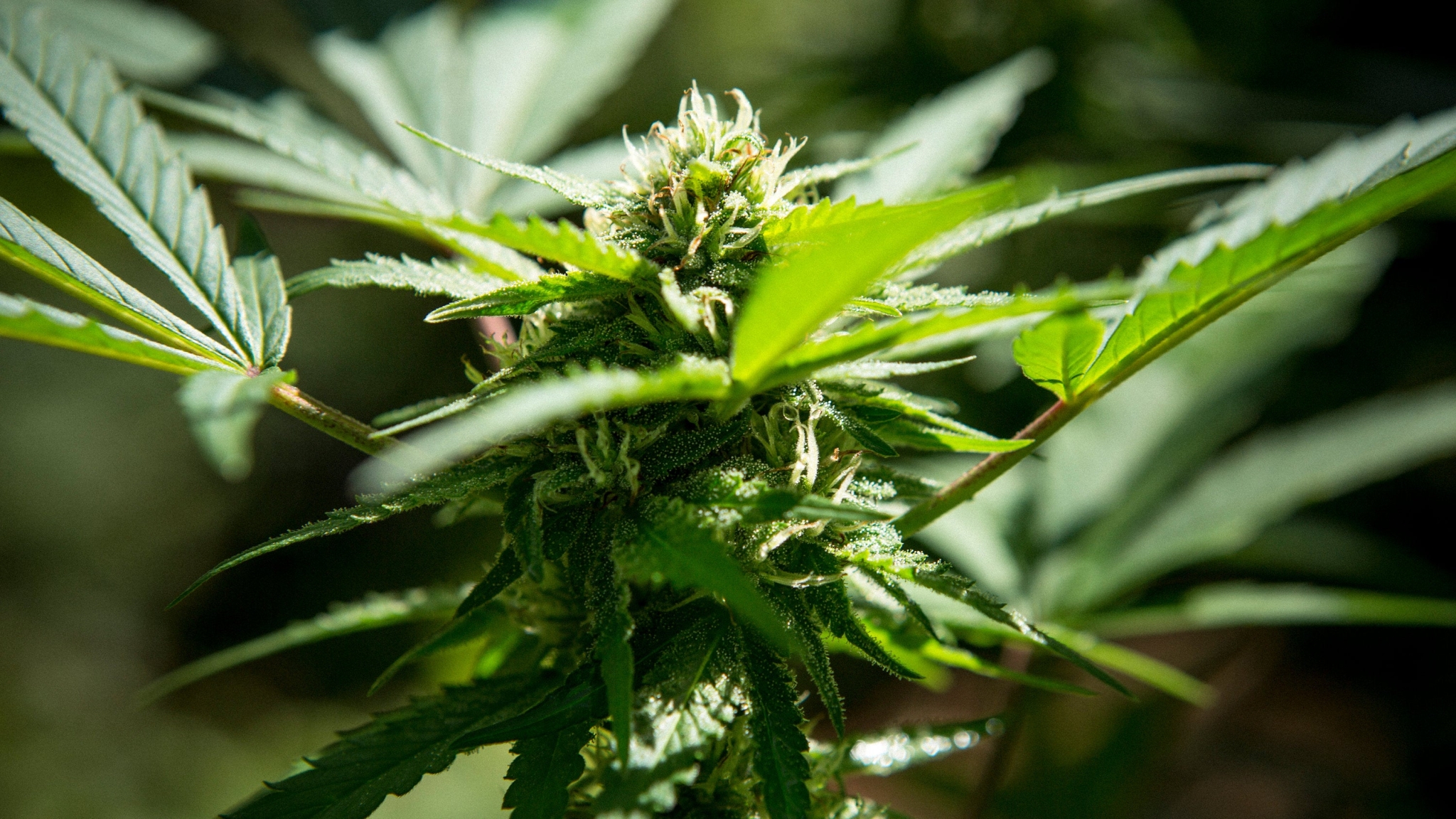
It’s important to note that the effects that can be experienced from Cannabis depend greatly on:
- The individual’s sensitivity to Cannabis
- The individual’s mental disposition (whether or not an individual has a history of anxiety or other mental health related conditions)
- The amount of Cannabis consumed, and
- The strength of the Cannabis consumed.
It’s been shown that higher strength cannabis (higher THC concentrations) and/or consuming larger amounts of Cannabis is more likely to make people feel more paranoid, anxious, and can lead to cases of psychosis.
So, in the short term, there are mixed results regarding the safety of using Cannabis as a mental health treatment option. What about in the long run?
“Is it safe to use Cannabis to help with Mental Health in the long run?”
Let’s say that you were taking a medication that was effective at quickly reducing the pain of headaches, which you experience regularly. If that medication were to, over time, make your headaches last longer, make it so you would have headaches more often, and make the pain of the headaches more intense, would you view that medication as, “Safe”?
Probably not, right? We may even consider that medication to be “Harmful” or “Toxic”. There may even be some lawsuits about it.
Cannabis is highly similar to this hypothetical, toxic headache-medication that we were just describing. Through many different studies, the research concludes that regular (1x per week or more) use of Cannabis by someone under the age of 25 increases the development and worsens symptoms of mental health disorders like anxiety, depression, bipolar disorder, and schizophrenia.
So, in the short term, Cannabis has mixed results in regard to how reliably safe it is. In the long term, Cannabis can make mental illness and mental health challenges worse over time.
Overall, Cannabis use is not a safe mental health treatment, especially for teenagers and young adults.
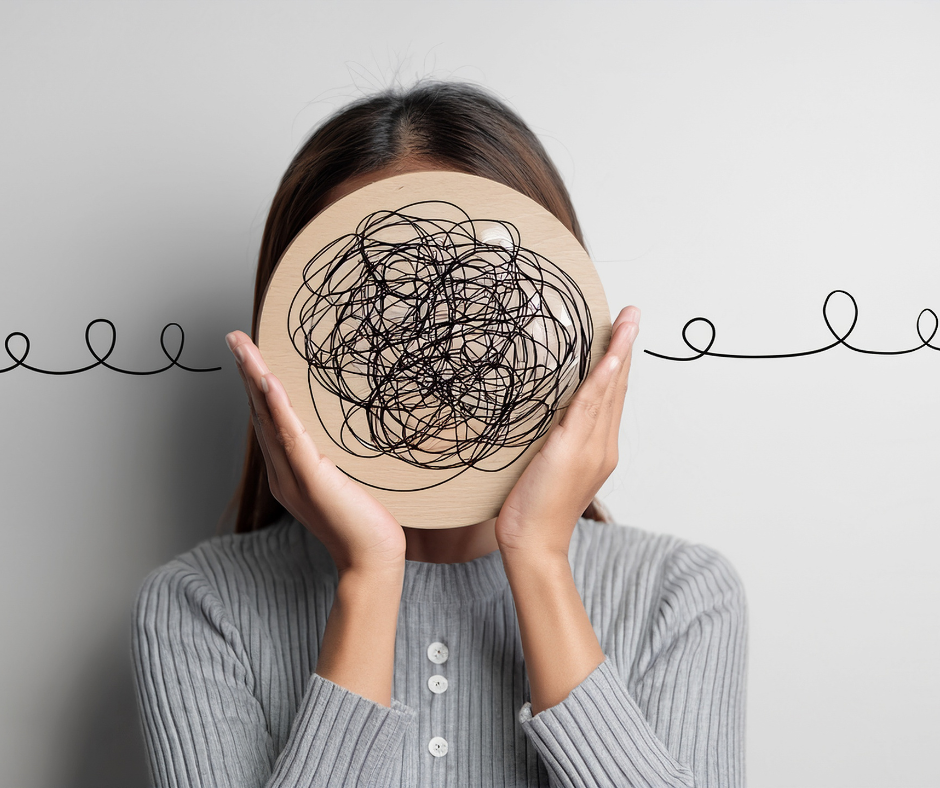
“Is Cannabis ‘effective’ at helping to heal from mental illness and mental health challenges?”
In an effective, long-term and sustainable mental health treatment, the primary goal is to remove or lessen the cause(s) of the pain/symptoms, and for a person to need less treatment (therapy, dieting, medication, etc.) over time to sustain the improvements and other positive changes made through the treatment. Cannabis-use is shown to not be effective at creating long term, sustained improvements in stress reduction or in mental health.
An example of an effective treatment experience may look like: a person goes to a bi-weekly therapy session for 6 months, experiences improvements in their mental health, begins going to therapy only 1x per month for another 6 months, continues to maintain and develop more positive changes, stops going to therapy, and continues to maintain their positive improvements for 6+ months after stopping treatment completely.

The immediate effects of Cannabis are temporary, so though the negative experiences do not last, neither does the relief that some people experience. People can also quickly build a tolerance to Cannabis, which often leads people to utilize more Cannabis and/or stronger Cannabis to provide them with the same level of relief as when they first started using the drug. Over time, it is highly likely that a person who is using Cannabis to manage their stress and mental health will start using more/stronger Cannabis and will experience less relief from their symptoms. As mentioned earlier, regular Cannabis use in adolescents, teenagers, and young adults has been proven to make symptoms of mental health conditions, such as anxiety and depression, worse over time.
It is the combination of the temporariness of positive effects with the pattern of increased usage to achieve relief and the worsening of mental health over time, that can create a dependency on Cannabis and Cannabis Use Disorder.
So, is Cannabis an effective and safe mental health treatment option for teenagers and young adults? The overall answer is, “No.”
Not only are there significant risks to well-being in the short term when using Cannabis, such as potential anxiousness, paranoia, and experiences of psychosis, but Cannabis has been proven to progress the development of mental illnesses, like anxiety disorders, depression, bipolar disorder, and schizophrenia when used regularly by adolescents, teenagers, and young adults.
References
Boden, J. M., et al. (2020). Herbal Cannabis and Depression: A Review of Findings Published over the Last Three Years. Molecules, 17(6), 689.
Centers for Disease Control and Prevention. (2024, February 15). Cannabis and mental health. U.S. Department of Health & Human Services. https://www.cdc.gov/cannabis/health-effects/mental-health.html.
Cuttler, C., Spradlin, A., & McLaughlin, R. J. (2018). A naturalistic examination of the perceived effects of cannabis on negative affect. Journal of Affective Disorders, 235, 198–205.
Gobbi, G., et al. (2019). Association of Cannabis Use in Adolescence and Risk of Depression, Anxiety, and Suicidality in Young Adulthood: A Systematic Review and Meta-analysis. JAMA Psychiatry, 76(10), 1032–1042.
Howard, J. (2023). Teens use cannabis for coping, enjoyment. UC Davis Health. https://health.ucdavis.edu/news/headlines/teens-use-cannabis-for-coping-enjoyment/2023/12.
Pace, J. C., Kousoulis, A. A., & Barnett, T. E. (2024). Cannabis use and mood disorders: A systematic review. Frontiers in Public Health, 12, 1346207.
Wilkinson, C. A., Radhakrishnan, R., & D’Souza, D. C. (2018). Association of Cannabis With Long-Term Clinical Symptoms in Anxiety and Mood Disorders: A Systematic Review of Prospective Studies. The Journal of Clinical Psychiatry, 79(4).