Problem Gambling

What is Gaming?

Gaming is defined as “Playing electronic games, whether through consoles, computers, mobile phones or another medium, for the sole purpose of entertainment that may include elements of gambling that requires skill”.

A focused teenage boy typing on a keyboard in front of a glowing computer screen.

What is Gambling?

Gambling is risking money or something of value on an outcome largely based on chance.
WHAT IS

Problem Gaming & Gambling?

Problem Gaming or Gambling can have
negative effects that include stress, aggressive behavior, verbal memory deficiency, depression, trouble sleeping, anxiety,
and behavioral addiction.

Sometimes referred to as “gambling addiction” or “gambling disorder” and is gambling behavior that is damaging to a person or their family, often disrupting their daily life and career.

A young man comforts a distressed friend covering his face on a school campus.

Do I have a problem?

Click here to learn more about warning signs and FAQ’s.

Woman looking distressed during a therapy session while her counselor takes notes.

It is estimated that 2-6% of adults may develop problems due to gambling, including developing a gambling disorder. (that is 6 – 8 million people)

Some games include features like loot boxes, mystery prizes and in-game purchases that mimic real money.  There are also “Spin-to-Win” or gambling-style mini games that might seem fun, but can lead to real money spending without realizing it.

According to a National Survey, younger adults report even higher rates of early sports betting and online casino play before age 21 compared to older generations. The survey found that 33% of 21–44-year-olds placed a sports bet before 21, versus 11% of 55+. 

96% of problem gamblers report having at least one other psychiatric disorder. 1 in 4 problem gamblers experience symptoms of anxiety and depression.

Suicide rates among problem gamblers is 15 times higher than the general population.

Tips for Betting Responsibly

  1. Set a Budget. Only bet what you can afford to lose.
  2. Set a Limit. Don’t let betting take over your day.
  3. Take Breaks. Get up to take a walk or eat food.  Balance betting with other activities you enjoy.
  4. Know the Reality. Betting is not a good way to make money.  The house usually wins.
  5. Never Chase Losses. Accept losses, it’s part of the game.
  6. Keep Your Head Clear. Don’t gamble while under the influence of alcohol or other substances.
  7. Seek Help if Needed.  You’re not alone.  Millions of Americans struggle with their gambling habits.

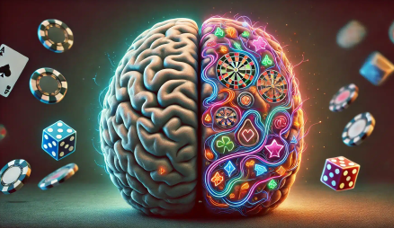
A brain with one side glowing with gambling symbols, surrounded by floating dice, poker chips, and cards.

What are the effects of gambling on the brain?

Click here to learn more.

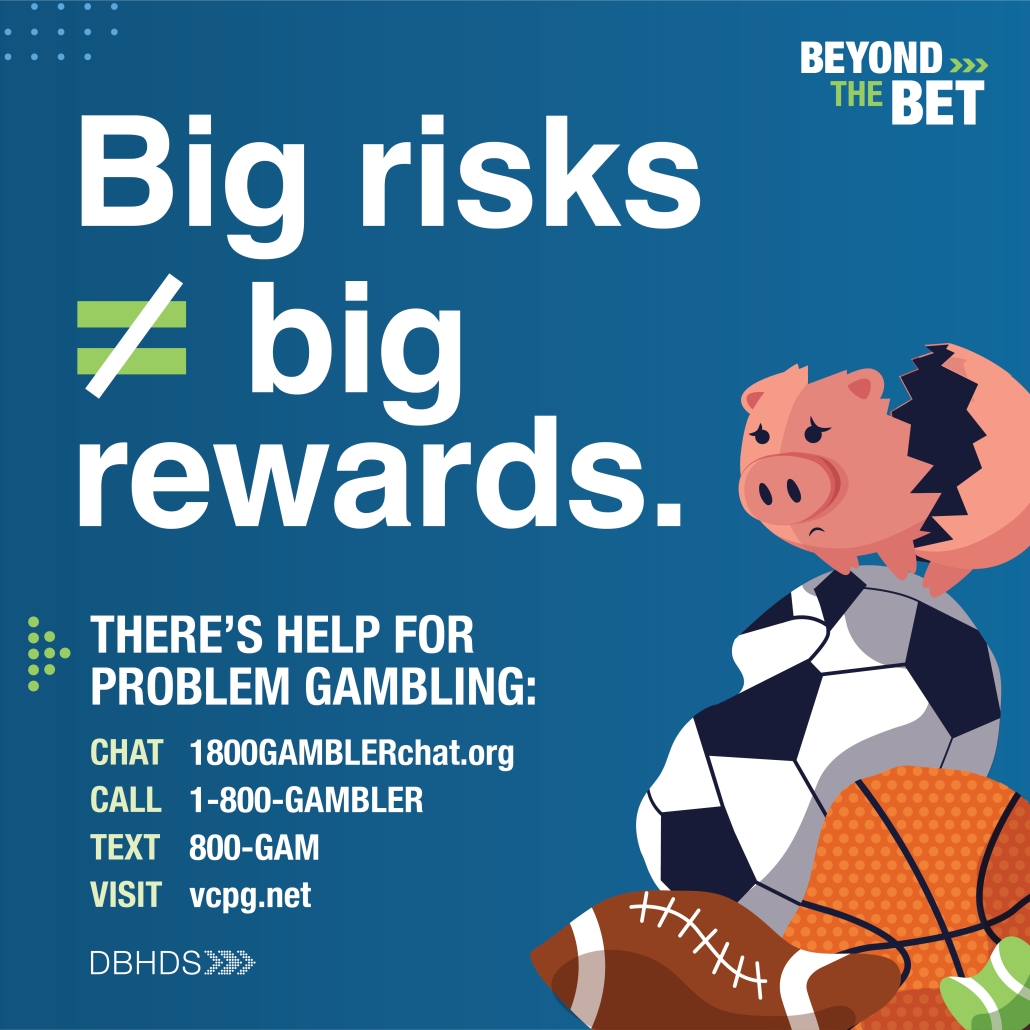
Graphic reading "Big risks ≠ big rewards" with a broken piggy bank on deflated sports balls and gambling helpline info.
Silhouette of a hiker reaching down to help another hiker climb a rocky mountain against a sunset sky.

Is Recovery Possible?

Click here to learn more about Virginia Council on Problem Gambling.